
In this training module, we would like to inform you about the risks associated with a potential norovirus outbreak.
It is particularly important to follow basic rules on board our A-ROSA fleet. Every single crew member has a responsibility in this regard.
1. What are noroviruses?
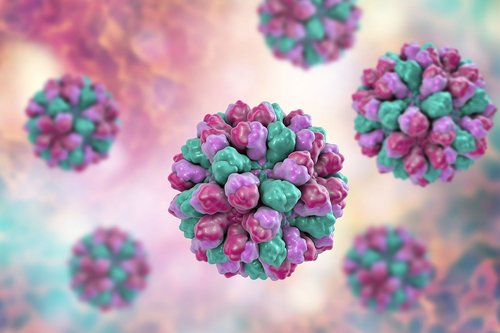
Noroviruses are found worldwide and usually cause gastrointestinal illness. The pathogens are shed in large quantities by infected individuals in their stools and vomit and are highly contagious. This is why large-scale outbreaks of vomiting and diarrhoea frequently occur in communal settings such as nurseries, schools, care homes or hospitals (and, in particular, on cruise ships). Most cases occur between October and March.
2. How are noroviruses transmitted?
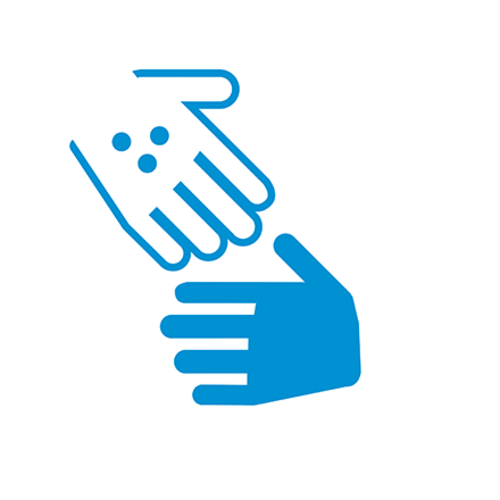
From person to person
Noroviruses are usually transmitted from person to person via contact with contaminated surfaces. The virus is spread when tiny traces of faecal matter or vomit from an infected person are transferred to the hands. From the hands, the virus can easily find its way into the mouth. Tiny virus-containing droplets in the air, produced during vomiting, are also highly contagious.
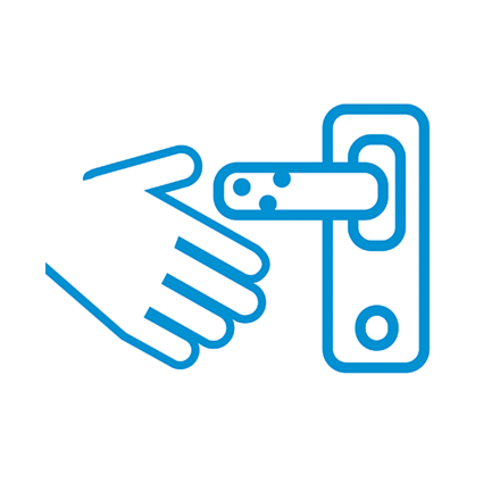
Through contaminated items
Pathogens can, in particular, cling to objects such as door handles, handrails or fittings and are easily transferred to the mouth via the hands. There are many such objects on board, and they are used frequently. It is therefore very important to clean and disinfect surfaces regularly.
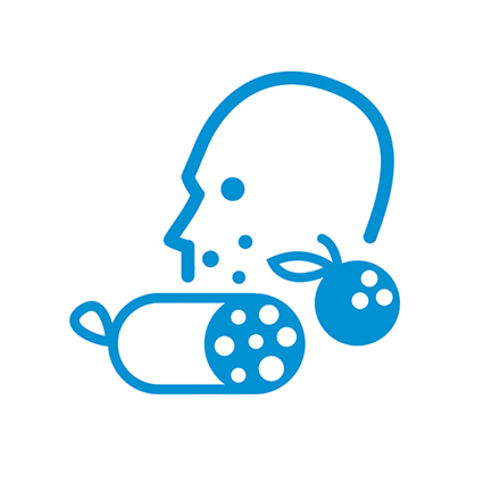
Through food
Raw foods such as salads and fruit may be contaminated with noroviruses and can also lead to infection. However, food is less commonly the cause. The pathogen is usually brought on board from land.
3. What symptoms do those affected experience?
The illness usually begins suddenly with severe diarrhoea, nausea and projectile vomiting. This is often accompanied by a severe feeling of illness, including abdominal and muscle pain, and occasionally a slight fever and headache. Severe vomiting and diarrhoea can quickly lead to dehydration, which may manifest as a pronounced feeling of weakness or dizziness.
It is important to act and inform others at the very first sign. If you are affected yourself, please inform your line manager immediately. If symptoms are observed in guests, the hotel manager must be informed. He or she will initiate the necessary measures and inform the relevant parties.
4. When do symptoms appear, and for how long are you contagious?
After infection, the illness usually develops rapidly, typically within 6 hours to 2 days. Those affected are highly contagious once symptoms appear. A relatively large number of pathogens are excreted in the stool for up to about 48 hours after the symptoms have subsided. However, sufferers can continue to shed the virus and remain contagious for up to 2 weeks, or in some cases even longer, even if vomiting and diarrhoea have already subsided.
5. Instructions and guidance
Who is particularly at risk?
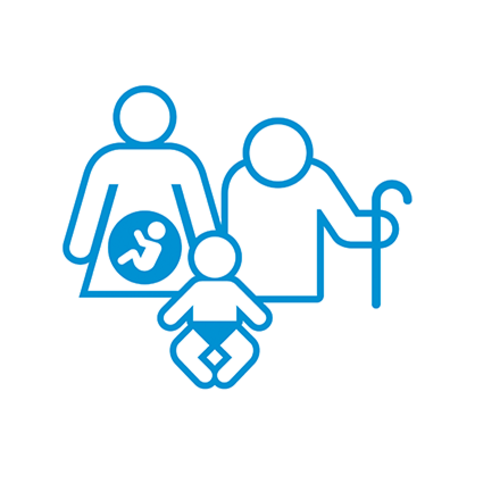
In principle, anyone can contract norovirus. It is particularly common among children under the age of 5 and people over the age of 70. They are also particularly vulnerable to the fluid loss that can result from vomiting and diarrhoea.

What should I bear in mind if I fall ill?
Those who are unwell should take it easy and keep contact with others to a minimum. It is therefore important that those who are unwell do not leave their cabin and, where possible, are disembarked by arrangement to prevent the virus from spreading.
How can we ensure that norovirus does not get on board?
Hand hygiene: Always wash your hands thoroughly with soap and water, particularly after using the toilet, before preparing food and before eating. Dry your hands thoroughly with a clean towel afterwards. This prevents pathogens from the gut entering the mouth via contaminated hands. In addition, the hand sanitiser dispensers on board should be used regularly. This applies to both crew and guests. Hands must be washed and sanitised before every visit to the crew mess.
What would a potential norovirus outbreak mean for the relevant areas?
Below, we outline some of the measures in place in the relevant areas. Even if you do not work in any of these areas, this will give you an idea of the extra workload a potential outbreak would place on our team. We therefore ask you totake the necessary precautions to ensure it does not come to that.
Frontoffice
- Keep your distance from guests
- Do not shake hands
- When speaking to an affected person (a fellow traveller coming to reception), the following applies: Where possible, disinfect your own hands BEFORE each guest contact (don’t forget to apply hand cream in between), then you may also handle the guest’s travel documents
- Disinfect the counter area after each guest where possible
- Close the public toilets and the spa/fitness area
Maître
- Guests order what they would like delivered to their cabin via reception. Please deliver the requested items where possible.
- Only one specially trained member of staff is assigned to this task.
- The following applies to this staff member: full-body protective clothing, gloves
- Maintain social distancing; no direct physical contact
- Dispose of gloves and disinfect the door handle from the outside after leaving the cabin
- The staff member takes the crockery directly to the sink and places it in the dishwasher on the spot for washing. After that, everything can be handled as normal
- Only then (once the crockery is in the dishwasher) should the gloves be disposed of
Housekeeping
- Maintain social distancing from guests
- Firstly – provided the number of affected cabins allows – a specially trained member of staff will be assigned to the task.
- Always enter the cabin wearing gloves and full-body protective clothing (no bare hands or legs)
- A face mask is only required in the event of fresh vomit or a soiled toilet.
- No special cleaning; on the contrary: only what is absolutely necessary.
- If an official virus alert has been triggered and the guest is checking out, Texbo is expected to carry out a deep clean. In this case, the cabin should not be cleaned immediately. The virus survives for only a limited time and the risk of infection diminishes daily.
- In the case of individual cabins, BEFORE an official virus alert, cleaning may be carried out immediately, provided it is done with due care and by trained staff.
- No change of linen unless circumstances necessitate it
- Linen to be changed is placed in a plastic bag and taken directly to the laundry by a member of staff. There, it is washed immediately in a separate wash cycle (with the addition of a special detergent, if available on board) at the highest possible temperature. Afterwards, the laundry can be processed as normal.
- Neither guests nor crew are to be moved to vacant cabins or isolated.
- After leaving the cabin, gloves must be disposed of and the door handle carefully disinfected.
Kitchen
- All staff in the Show Gallery must wear gloves
- Guests must not help themselves
- No self-service at the buffet / no serving trays
- Staff serve food onto guests’ plates

In conclusion:
There is no medicine or vaccine for norovirus. It can only be prevented by taking the precautions outlined above. This is a responsibility that falls on each and every one of us: for ourselves, our colleagues and our guests.